Sovereign email
Business mail under @GoOffice.ph or tenant-owned domains, with aliases, forwarding, vacation replies, app passwords, client setup guidance, AI-assisted handling, and optional encrypted mailbox storage.


Online apps
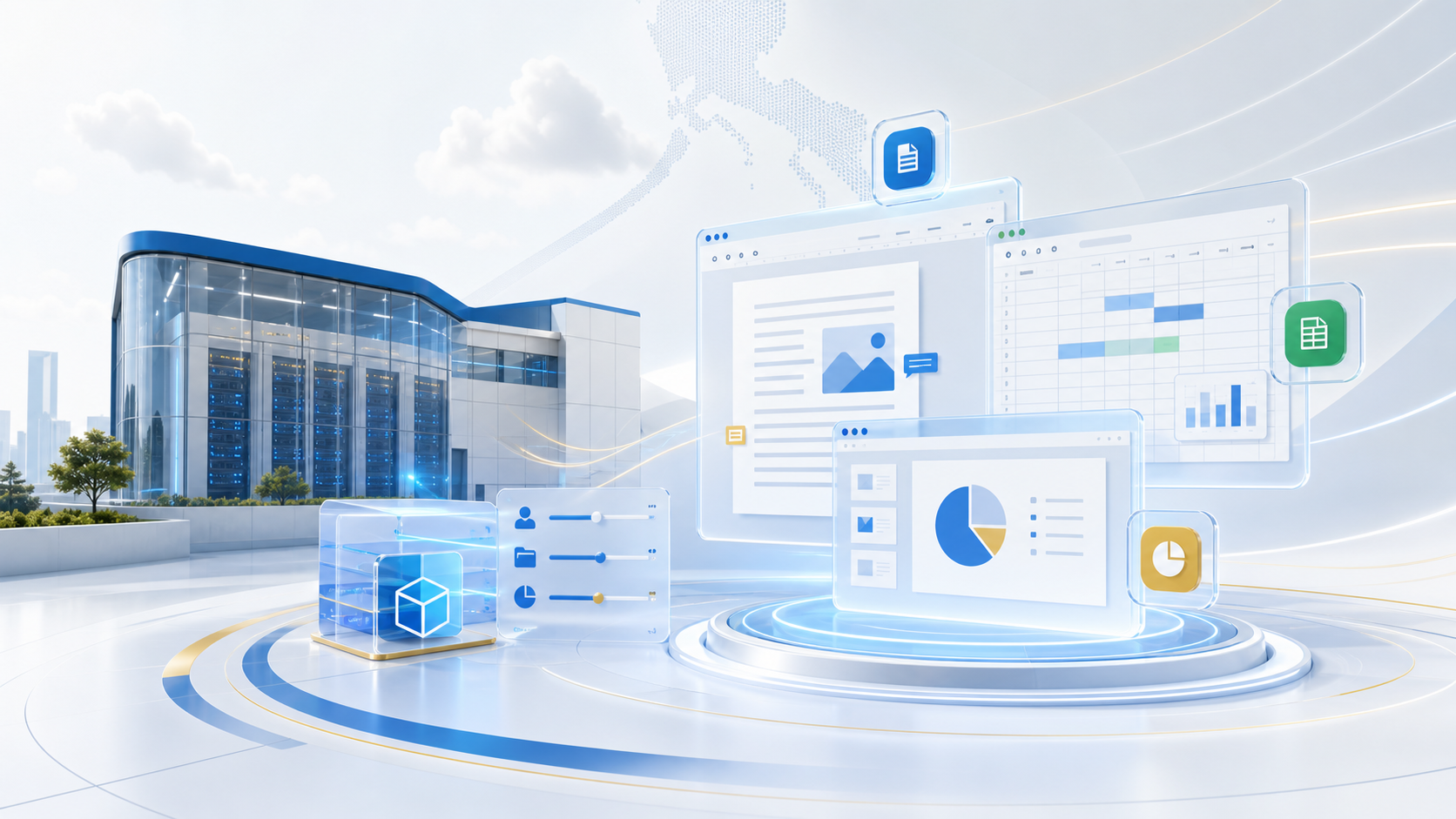
GoOfficePH Online Apps give users the familiar web experience they expect from modern productivity platforms, while keeping identity, mail, files, meetings, administration, and reporting inside a Philippine-hosted service governed by GoOfficePH by KloudPH.
For daily operations
Users can work from any supported browser without learning separate back-office systems. ICT teams still get the controls they need: tenant-aware administration, domain verification, pooled quotas, policy-based mail controls, MFA-ready identity, activity logs, and support workflows.
Business mail under @GoOffice.ph or tenant-owned domains, with aliases, forwarding, vacation replies, app passwords, client setup guidance, AI-assisted handling, and optional encrypted mailbox storage.
Personal, shared, and tenant folders stay under organization-defined limits, with version history, sharing controls, deleted-file recovery, templates, and storage usage visibility.
Documents, spreadsheets, presentations, and PDFs can be created and edited from the browser, with OpenDocument-first defaults and exports for outside collaboration.
Team rooms, direct conversations, voice, video, screen sharing, guest invite links, waiting-room options, and meeting controls operate through GoOfficePH identity and permissions.
Calendar and address book workflows are aligned with the same account, tenant, and support model, so communication records can stay connected to the workspace.
Tenant admins manage users, domains, pooled storage, credits, delegated roles, urgent notices, usage reports, and support tickets from one GoOfficePH administration experience.
Why it matters locally
For national government agencies, LGUs, schools, SMEs, and regulated enterprises, the online workspace is not only about convenience. It also supports a clearer operating model for data location, local jurisdiction, tenant-level controls, and audit-ready administration.
Explore the workspace
Open our Groupware apps, find the right capabilities in our feature directory, and explore the product previews and supporting sources when you want a closer look.